

04 Nov From a Donor’s Freezer to Babies in Need: A Crash Course in Milk Donation
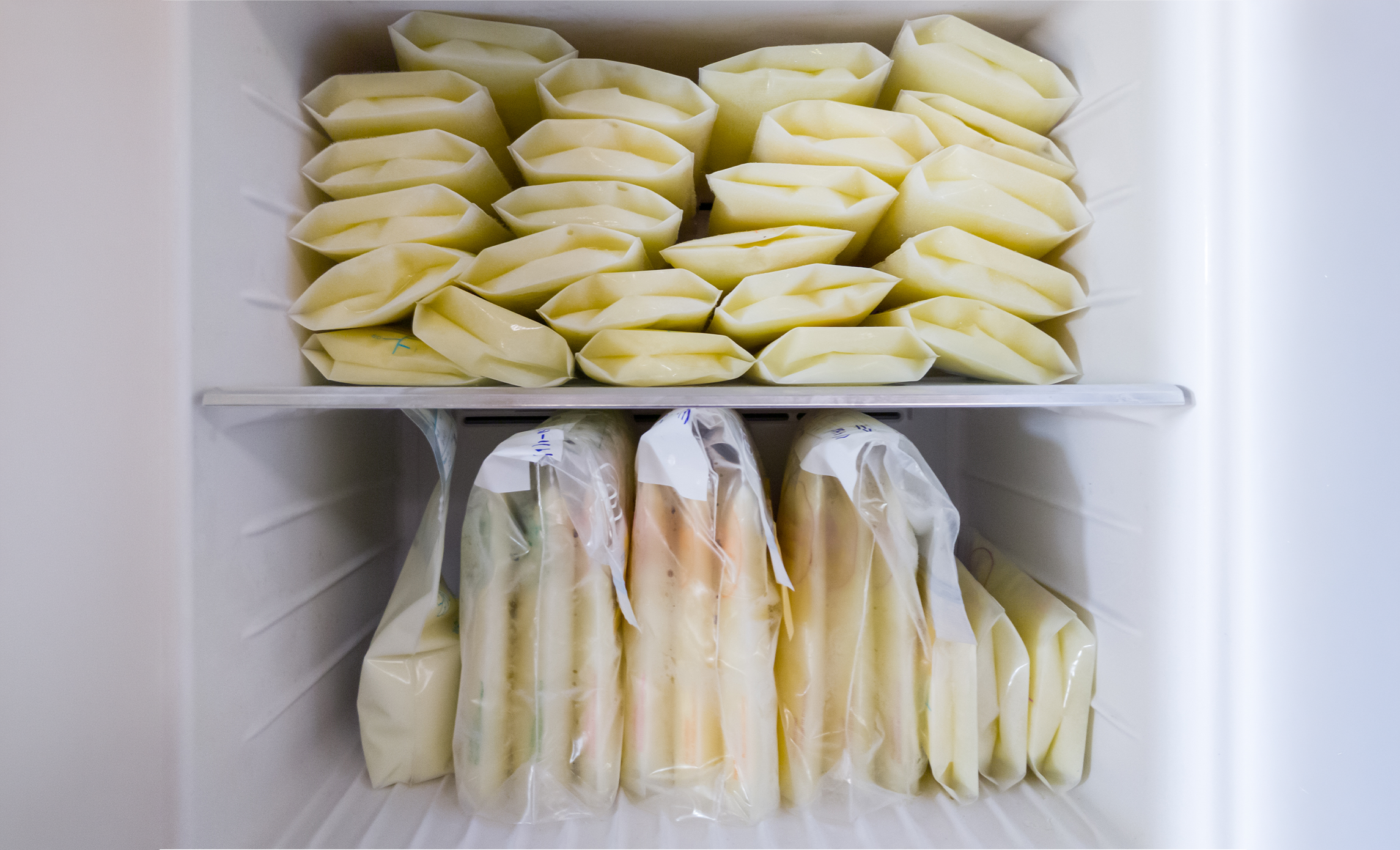
When you pump and freeze breast milk, you put in time, love, and energy. So what happens when you have more milk than you need, you’re a bereaved parent, or surrogate?
That milk can become an extraordinary gift to another family.
At Mid-Atlantic Mothers’ Milk Bank, donated milk goes through a carefully managed process before it reaches the medically fragile infants that need it most. From the moment milk leaves a donor’s freezer to the final safety checks before distribution, every step is designed to protect the health of the fragile infants receiving it.
Next Stop, The Depot
Once a donor is screened and approved, it’s go time.
There are several options for donors to get their generous donations to the milk bank, including dropoffs and shipping. Thanks to the growing Donor Milk in Your Neighborhood program, approved donors in some areas of the milk bank’s service region can arrange to drop off milk at nearby locations.
And now donating milk has become more convenient for families in Allegheny County. Jefferson Hospital is opening the first Milk Bank Depot in the South Hills as part of an ongoing partnership between Allegheny Health Network and the Milk Bank.
Parents with a surplus supply of breast milk who have completed the donor screening process with the milk bank can drop off their milk on Mondays, Wednesdays and Fridays at this location.
Read more about the new Depot on WESA.
Processing The Milk
For the donors, the process starts at home: carefully pumping and storing the lifesaving breast milk For the Milk Bank team, that initial care becomes part of a larger responsibility to handle every donation safely.
From the donor, to the lab, to the hospitals that use donor milk to care for patients, each person has an important role in handling donor milk. Here’s what happens at the milk bank:
Pooling, Mixing, and Bottling: After thawing, the milk of multiple donors is mixed to even out variations and increase the diversity of important bioactive components that protect babies. Once mixed, the milk is bottled in BPA free bottles with tamper resistant caps.
Pasteurization: Bottled milk goes through a low temperature pasteurization process which inactivates pathogens while keeping important protective components intact. This step is required because common bacteria and viruses that would not harm a full term or healthy baby could be serious for medically fragile recipients such as premature babies.
Milk Testing: After pasteurization, a random sample is taken from each batch and sent to the lab of a local hospital for bacterial culturing. Each pool of milk is also tested for a panel of drugs.
Nutritional Analysis: Calories, protein, fat, and carbohydrate content information allows neonatal intensive care units (NICUs) to create the best human milk nutrition plan for each tiny preemie.
From the Depot to the Diapers
Finally, once your milk is stored, acquired, processed, and pasteurized, it’s ready to be taken to a family in need. It will make a huge difference in the life of a baby and used in one of the following ways:
Neonatal Intensive Care Units (NICUs): Approximately 75-80% of the milk donated to our milk bank is used by NICUs and cardiac intensive care units (CICUs).
Mother Baby Units: Some hospitals use donor milk for all babies who require supplementation, even healthy babies. Such supplementation is usually very minimal.
Outpatients: A prescription is required, and the vast majority of these recipients have very significant medical issues.
HMBANA Sister Milk Banks: One of the best things about being a non-profit milk bank accredited by the Human Milk Banking Association of North America (HMBANA.org) is sharing. Since all 31 milk banks follow the same strict safety guidelines, we can help one another to ensure that all NICUs and ill outpatients across the United States and Canada have what they need.
Become a Donor
Being a milk donor is a rewarding experience and the screening process is easy.